Craft Your Perfect Blackened Seasoning: Cajun Secrets & Custom Blends
Imagine the vibrant flavors of the Louisiana bayou brought directly into your kitchen, creating a captivating aroma and an unforgettable culinary experience. That’s the magic of
Homemade Blackened Seasoning: Elevate Dishes with Authentic Cajun Flavor, a versatile spice blend that promises to transform ordinary ingredients into extraordinary dishes. While its origins are deeply rooted in Cajun cuisine, its appeal has spread worldwide, making it a staple in many home cooks' arsenals. Creating your own blackened seasoning at home isn't just easy; it opens up a world of customization, allowing you to perfectly tailor every note of flavor to your preference, from the subtle kiss of heat to a bold, smoky punch. Get ready to embark on a journey that will elevate your cooking to an entirely new level.
The Allure of Blackened Seasoning: A Taste of New Orleans
At its heart, blackened seasoning is more than just a mix of spices; it's an invitation to a specific, iconic cooking technique that originated in the rich culinary landscape of Louisiana. This distinctive style, known as "blackening," was famously popularized by the legendary Chef Paul Prudhomme in the 1980s. He introduced the world to blackened redfish, a dish that involved searing fish, meat, or poultry in an incredibly hot cast iron skillet, often coated in melted butter, until a dark, flavorful crust formed on the exterior. This technique, combined with a robust spice blend, delivers a unique texture and an intense depth of flavor that captivated palates globally.
The signature of a great blackened seasoning lies in its intricate balance. It’s a symphony of savory, spicy, and aromatic elements that coalesce to form that irresistible dark crust. While no two chefs' recipes are exactly alike, most blends share a common thread of spices that echo the vibrant spirit of Cajun and Creole cooking. This culinary heritage is what makes the taste so distinctly appealing, evoking the lively atmosphere and bold flavors of New Orleans with every bite.
Why Craft Your Own Blackened Seasoning Blend?
While commercially prepared blackened seasonings are readily available, there are compelling reasons why mastering your own homemade blend is a game-changer for any passionate cook. The process is incredibly simple, often requiring just a few minutes, yet the benefits are immense and enduring.
Unrivalled Customization and Control
One of the most significant advantages of making your own blackened seasoning is the complete control it offers. Store-bought blends often come with a fixed flavor profile and heat level, which might not always align with your preferences or dietary needs. When you blend your own, you become the master chef of your spice cabinet:
*
Tailor the Heat: Love a fiery kick? Amp up the cayenne pepper. Prefer a milder warmth? Dial it back. This flexibility ensures your dish is always perfectly seasoned to your taste.
*
Manage Salt Content: For those monitoring their sodium intake, creating a salt-free version is as simple as omitting the added salt. You can then season your food with salt separately to taste during cooking, offering much greater control.
*
Experiment with Pepper: While black pepper is standard, swapping it for white pepper can introduce a slightly different, more subtle peppery note, adding another layer of complexity.
*
Personalize Aromatics: Adjusting the ratios of garlic powder, onion powder, oregano, and thyme allows you to emphasize the aromatic notes you love most.
Freshness and Potency
Homemade blends typically use fresher spices than many mass-produced alternatives. Spices lose their potency over time, so grinding and blending them closer to their use ensures maximum flavor and aroma. The vibrant, robust taste of a freshly made blackened seasoning can genuinely elevate your dishes in a way that pre-packaged versions often struggle to match.
Versatility for Every Dish
A well-crafted blackened seasoning is incredibly versatile. It's not just for fish; its bold flavors complement a wide array of proteins and even vegetables. Having a batch ready in your spice cabinet means you’re always just a sprinkle away from transforming an ordinary meal into something special. This singular blend can become your secret weapon for weeknight dinners and special occasions alike.
Core Ingredients for an Authentic Blackened Seasoning
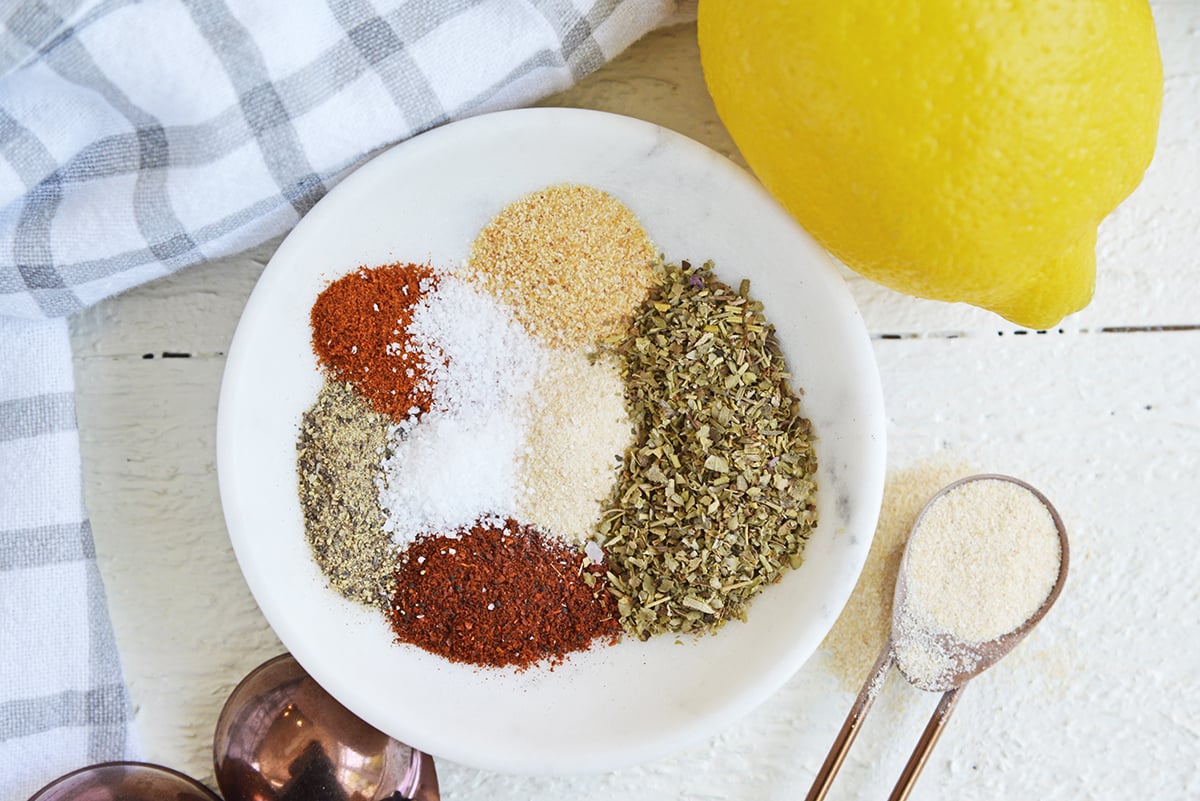
To create a truly exceptional blackened seasoning, you’ll typically start with a foundation of essential spices that form the backbone of Cajun flavor. These key ingredients work in harmony to deliver that signature taste:
*
Paprika (Smoked or Sweet): Provides a warm color and a foundational sweet or smoky flavor. Smoked paprika adds an extra layer of depth and char-like essence.
*
Garlic Powder & Onion Powder: These aromatic powerhouses are non-negotiable, offering savory depth that is characteristic of Cajun cuisine.
*
Oregano & Thyme: Earthy, herbaceous notes that provide an authentic Southern accent.
*
Cayenne Pepper: The primary source of heat. Its amount is crucial for defining the spice level of your blend.
*
Salt: Essential for enhancing all other flavors. (Remember, this can be omitted for a salt-free version.)
*
Black Pepper: Adds a sharp, pungent kick that complements the other spices.
Beyond these core elements, some exceptional blends incorporate "nuance" ingredients that add intriguing complexity. Spices like **celery seed** can introduce a subtle, fresh, slightly bitter note that brightens the overall profile. Furthermore, ingredients like **allspice** and **cloves**, while not found in every traditional recipe (including Chef Prudhomme's original), can infuse the blend with warm, sweet, and aromatic undertones, making your blackened seasoning truly distinctive and memorable. Don't hesitate to experiment with these additions if you're seeking a unique twist.
Mastering Customization: Tailoring Your Blend
The beauty of homemade blackened seasoning lies in its adaptability. Once you have the core ingredients, you can easily tweak ratios and add specific elements to perfectly match your palate.
*
Adjusting the Heat: The simplest customization involves cayenne pepper. For a mild blend, use a conservative amount. For a medium heat, stick to the standard recommendation. If you love a fiery kick, don't be shy about increasing the cayenne – a half tablespoon can significantly amp up the spice, transforming your mix from moderately spicy to delightfully hot.
*
Salt-Free Options: As mentioned, omitting the salt entirely creates a salt-free blackened seasoning. This is ideal for those on restricted diets or for cooks who prefer to add salt to their food as they go.
*
Pepper Preferences: Swapping half a tablespoon of white pepper for the black pepper can introduce a milder, yet still distinctive, peppery flavor that some prefer.
*
Boosting Herbaceousness: If you're particularly fond of earthy notes, a slightly increased amount of dried oregano or thyme can bring those flavors to the forefront.
*
Embrace Smokiness: If you enjoy a deep, smoky flavor, ensure you're using smoked paprika. If not, sweet paprika will provide a milder, sweeter base.
The fun part about making your own spice blends is the endless possibilities for experimentation. Don't be afraid to try different ratios and minor additions to create a blackened seasoning that is uniquely yours.
Beyond the Skillet: Diverse Applications for Your Blackened Seasoning
While the blackening technique with a super-hot cast iron skillet is the classic application, your homemade blackened seasoning's incredible flavor profile makes it astonishingly versatile. It’s far from a one-trick pony, capable of enhancing a multitude of dishes beyond just the traditional.
*
Seafood Lover's Dream: This seasoning shines brightest with seafood. Think perfectly seared blackened swordfish, flaky salmon, succulent shrimp, or tender scallops. A generous coating of the spice blend creates a fantastic crust that locks in moisture and infuses every bite with bold flavor.
*
Poultry Perfection: Chicken thighs, chicken tenders, and even a whole roasted chicken can be transformed. Use it as a dry rub for grilling, roasting, or pan-searing poultry for a crispy, flavorful skin and juicy meat.
*
Pork and Steak Power-Up: Don’t limit yourself! Pork chops, pork loin, and various cuts of steak benefit immensely from this flavorful rub. The spices beautifully complement the richness of red meats.
*
Vibrant Vegetables: Believe it or not, vegetables can also get the "blackened" treatment. Sprinkle it on corn on the cob (especially buttered!), roasted potatoes, bell peppers, onions, or even asparagus before grilling or roasting. The seasoning adds a fantastic savory depth that elevates simple sides.
*
Creative Culinary Uses: Think outside the box. Stir a pinch into mayonnaise for a zesty sandwich spread, blend it into melted butter for a compound butter, or even sprinkle it over popcorn for a gourmet snack. Its bold characteristics mean a little goes a long way to infuse incredible flavor. For more quick and easy applications that bring out bold flavors in any protein, consider this
Easy 5-Minute Blackened Seasoning: Bold Flavor for Any Protein.
To use it effectively, simply rub your chosen protein or vegetable generously with the seasoning. For the authentic blackening technique, heat a cast iron pan over high heat until it's smoking, then add a combination of melted butter and olive oil before adding your seasoned food. This creates that desirable flavorful crust and characteristic dark exterior.
Essential Tips for Perfect Blackening & Storage
To get the most out of your blackened seasoning, a few practical tips can make all the difference, both in cooking and keeping your blend fresh.
Mastering the Blackening Technique
*
Hot Skillet is Key: For true blackening, your cast iron skillet needs to be extremely hot – often smoking slightly – before you add the butter/oil and then your protein. This high heat is what creates the instant crust.
*
Don't Overcrowd: Cook in batches if necessary to ensure the skillet maintains its high temperature. Overcrowding will steam the food instead of searing it.
*
Generous Seasoning: Don't be shy with the blackened seasoning. A generous coating acts as the flavor crust.
*
Ventilation is Crucial: The blackening process can create a lot of smoke. Ensure good kitchen ventilation or even consider cooking outdoors if possible.
Storage for Maximum Freshness
*
Airtight Container: Always store your homemade blackened seasoning in an airtight jar or container. This prevents moisture from getting in and keeps the aromatic compounds from evaporating.
*
Cool, Dark Place: Store the container in a cool, dark pantry or cabinet, away from direct sunlight or heat sources (like above the stove). Heat and light are enemies of spice freshness.
*
Shelf Life: While dried spices don't "spoil" in a way that makes them unsafe, they do lose potency. Aim to use your homemade blend within 3-6 months for the best flavor. After that, it might still be usable but will be less vibrant. A quick sniff test can often tell you if it's still potent enough.
Crafting your own blackened seasoning is a rewarding endeavor that puts incredible flavor and versatility at your fingertips. From its Cajun roots to its endless applications, this homemade blend is destined to become a cherished component of your culinary repertoire.
In conclusion, taking the time to craft your own homemade blackened seasoning is a small effort that yields monumental flavor rewards. It empowers you with the ability to customize every nuance, ensuring your dishes are perfectly seasoned to your exact preference, whether you crave a mild hint of spice or a fiery kick. Beyond its traditional use in the cast iron skillet, this incredibly versatile blend breathes new life into everything from delicate seafood and robust poultry to hearty vegetables, making it an indispensable component of any well-stocked spice cabinet. Embrace the Cajun secrets, experiment with your custom blends, and prepare to elevate every meal to a deliciously unforgettable experience.